Boxing in Belgium
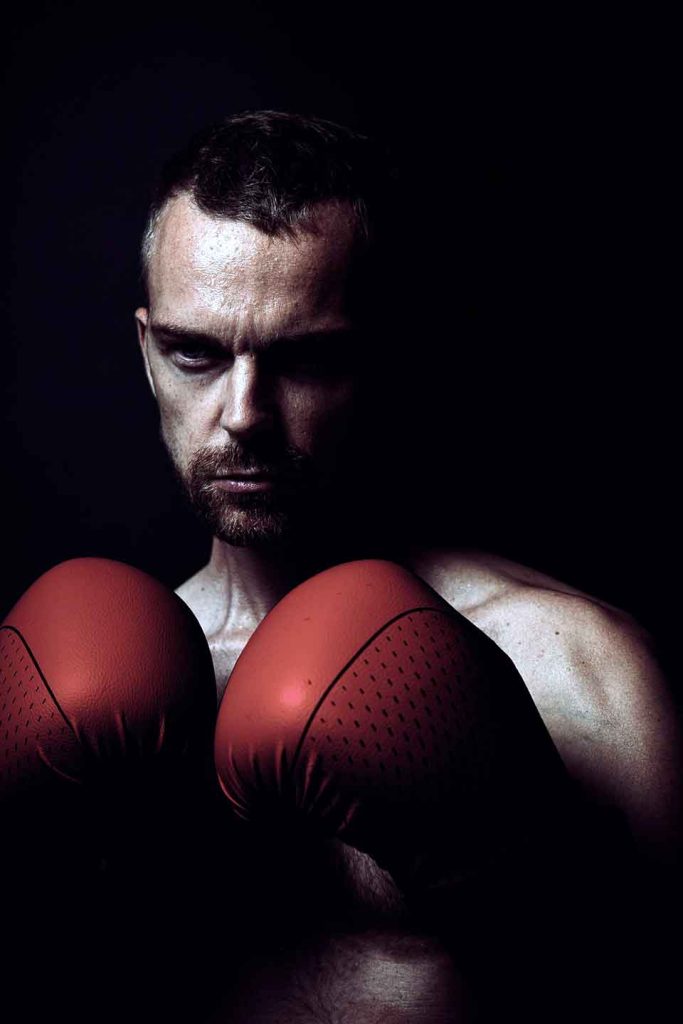
Capturing the intensity, speed, and emotion of boxing is quite different from street photography but equally dynamic. Belgium has an active boxing scene, with numerous clubs and events ranging from local amateur bouts to professional fights. Photographing this sport in your spare time must provide you with access to some powerful moments and athletic displays.
Boxing photography brings its own unique challenges and rewards:
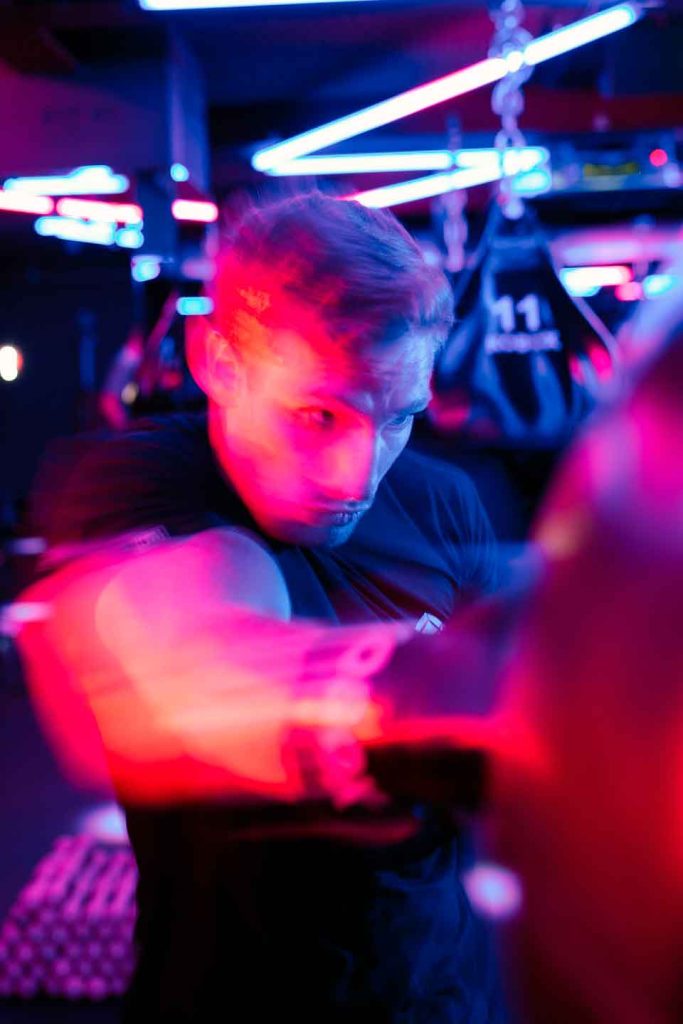
Handling Low and Mixed Lighting: Gyms and arenas often have challenging lighting conditions, requiring you to work with high ISO settings and potentially quick lenses (wide apertures).
Freezing Motion: Capturing sharp images of quick punches and footwork demands high shutter speeds (often 1/500 s or faster).
Anticipating Action: Getting the peak moment—the impact of a punch, a crucial block, or the expression on a fighter’s face—requires anticipation and excellent timing.
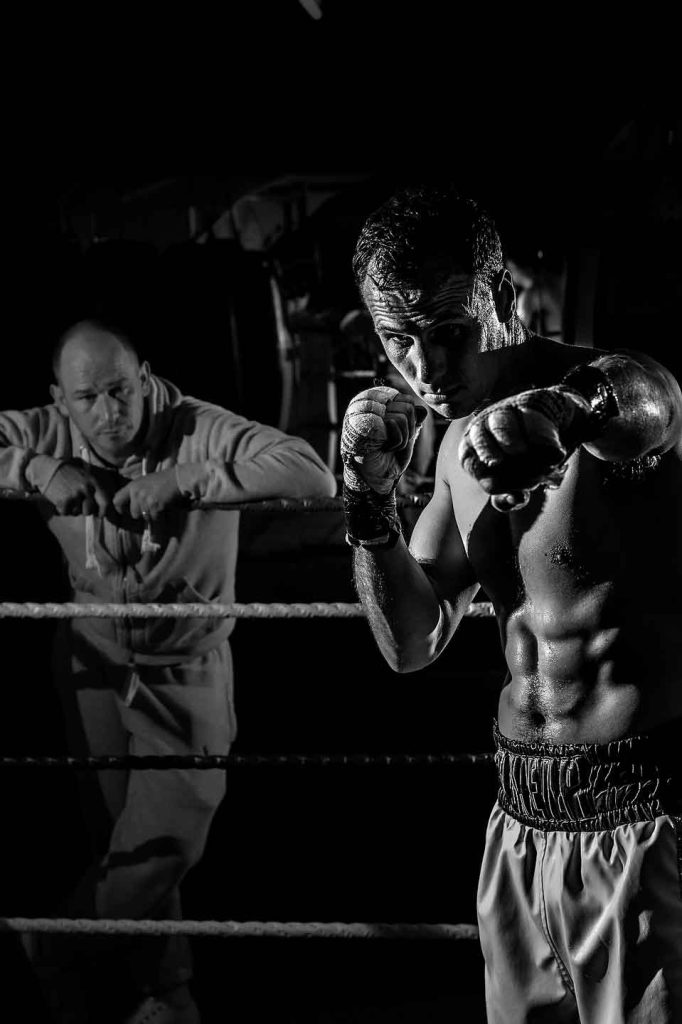
Composition: Working around the ring, potentially shooting through ropes, and finding compelling angles to tell the story of the fight.
Capturing Emotion: Showing the determination, exhaustion, and drama experienced by the fighters and their corners.
Moving from the unpredictability of the street to the focused intensity of the boxing ring is quite a shift in environment and photographic demands.
Boxing photography brings its own unique set of challenges—capturing incredibly fast action, often dealing with difficult or dramatically changing lighting (gyms, spotlight rings), and trying to convey the raw power and emotion of the sport.
Based on the information available, Belgium seems to have an active scene. There are numerous gyms across the country (like GOBOX or Brasa in Brussels, Boxing Gym Hasselt, and others listed on platforms like ClassPass) and organizations like the Royal Belgian Boxing Federation (Boxebelgium.be) and the BKBMO (Belgische Kickboxing, Thaiboxing & MMA Organisatie) oversee or list various events, including amateur galas happening regularly in places like Gent, Ieper, Ninove, Brussels, and many more towns. It looks like there are opportunities ranging from training sessions to organized fight nights.
Photography tips for boxing often highlight:
- Fast Shutter Speeds: Usually 1/500s or much faster (1/1000s+) to freeze the rapid movement of punches and fighters.
- Wide Apertures: Using lenses with f/2.8 or wider apertures (like f/1.8 prime lenses) helps gather light in often dim settings and blur distracting backgrounds.
- High ISO: You often need to push the ISO significantly. Modern cameras and noise reduction software (even AI-powered) help manage the resulting noise.
- Anticipation & Timing: Rather than just relying on burst mode, watch the fighters’ rhythms to anticipate key moments (like punches landing), although burst mode is still essential.
- Positioning: Getting ringside, possibly near a corner, is often ideal for impactful shots, sometimes even shooting through or over the ropes if permitted.