A Guide to Pet Photography
Our furry, feathered, and scaled companions bring immeasurable joy to our lives. Their quirky personalities, adorable antics, and unwavering loyalty deserve to be captured and cherished forever. This is where pet photography comes in—the art of immortalizing those precious moments and showcasing the unique charm of our beloved animals. Understanding a few key principles can elevate your pet photography game, whether you’re aiming for professional-quality portraits or simply want to capture everyday cuteness on your phone.
More Than Just a Snapshot: Capturing Personality
Great pet photography goes beyond simply pointing and shooting. It’s about capturing the essence of your pet’s personality. Is your dog a goofy, tongue-lolling adventurer? Does your cat possess an air of regal indifference? Does your hamster have an insatiable curiosity? Observing their individual quirks and behaviours is the first step toward taking truly captivating photos.
Think about what makes your pet unique. Do they have a favourite toy? Do they have a unique sleeping position? A particular way they look at you when they want a treat? Incorporating these elements into your photos will create images that are not only visually appealing but also deeply personal and meaningful.
Mastering the Technical Paws-ibilities
While capturing personality is key, a basic understanding of photographic principles will significantly improve your results:
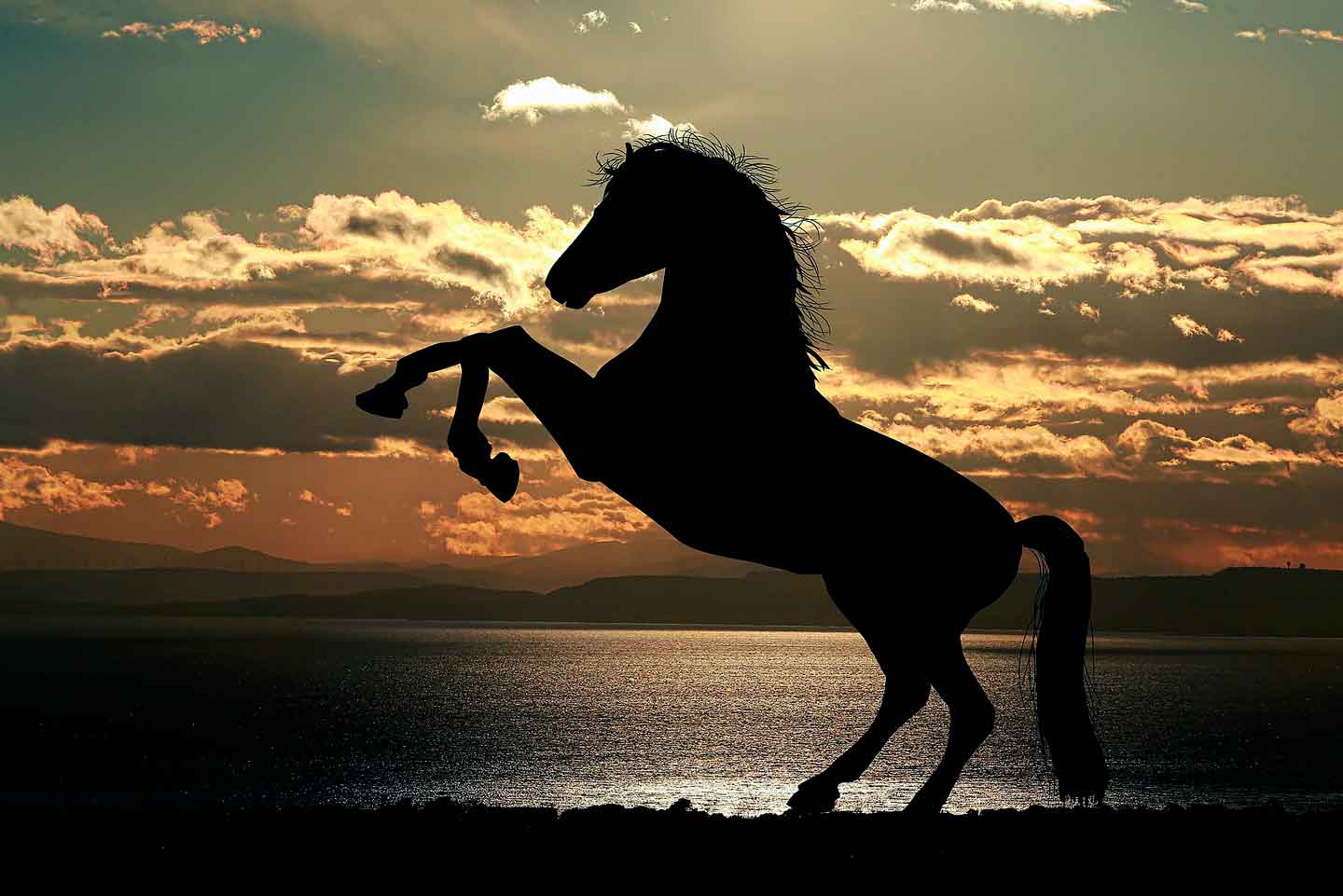
- Light is Your Best Friend: Natural light is generally the most flattering for pet photography. Aim for soft, diffused light, such as during the golden hours (shortly after sunrise and before sunset) or on an overcast day. Avoid harsh midday sun, which can create strong shadows and squinty eyes. Indoors, position your pet near a window for beautiful, soft illumination.
- Get Down to Their Level: Shooting from your pet’s eye level creates a more intimate and engaging perspective. It allows you to capture their expressions more effectively and makes them the true subject of the frame. Don’t be afraid to lie on the floor or crouch down!
- Focus on the Eyes: Just like in human portraits, the eyes are the window to the soul. Ensure your focus is sharp on your pet’s eyes to create a connection with the viewer. Use single-point autofocus on your camera to precisely target their eyes.
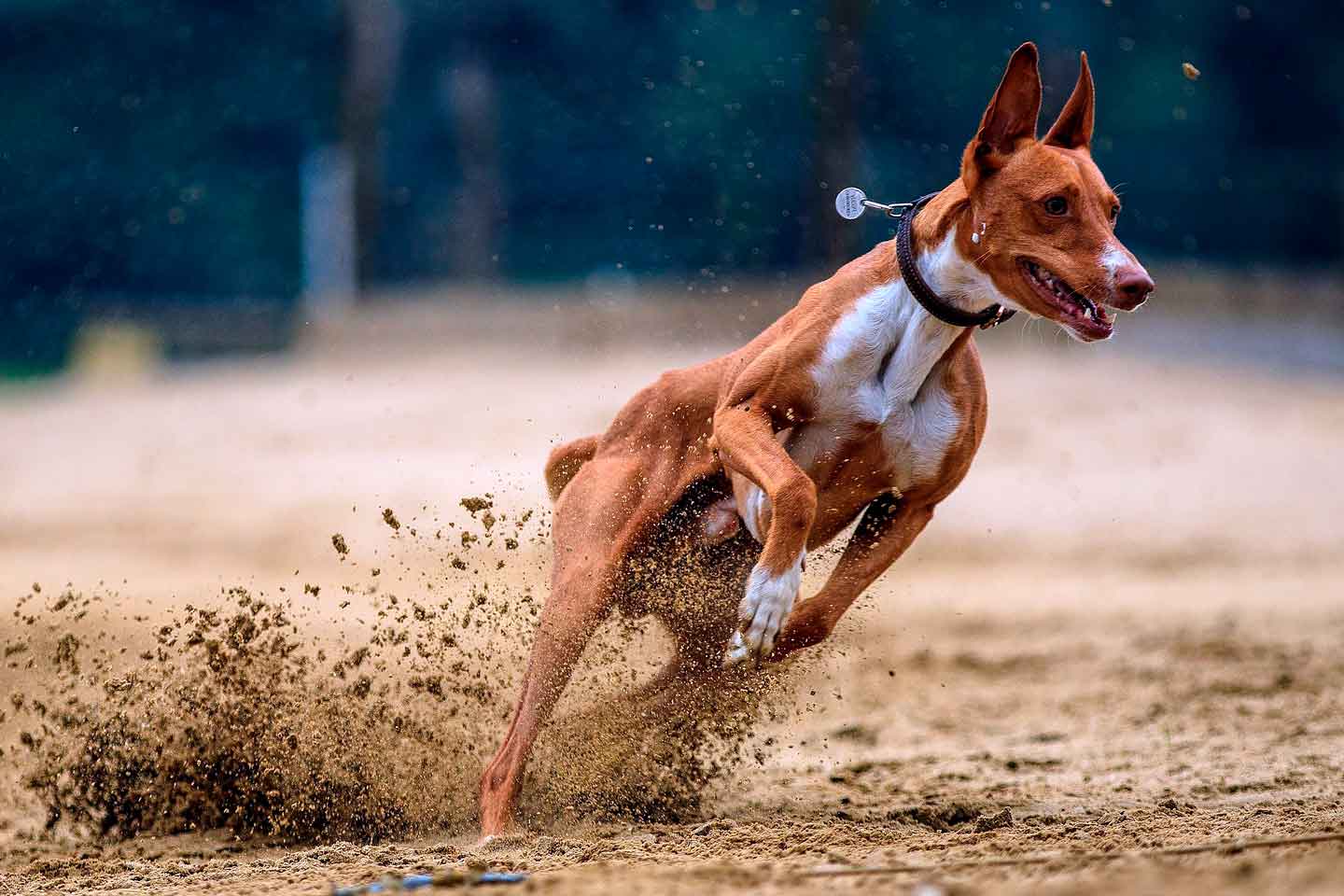
- Shutter Speed Matters: Pets can be unpredictable and move quickly. To avoid blurry photos, especially when capturing action shots, use a faster shutter speed. Experiment with different settings depending on your pet’s activity level.
- Aperture for Background Blur: Using a wider aperture (lower f-number, like f/2.8 or f/4) will create a shallow depth of field, blurring the background and making your pet stand out beautifully. This technique is particularly effective for portraits.
Patience and Treats: Essential Tools
Working with animals requires patience and understanding. Unlike human models, pets don’t always follow instructions. Be prepared to wait for the right moment, and don’t get discouraged if your first few attempts aren’t perfect.
Treats and toys are invaluable tools for capturing your pet’s attention and encouraging specific poses or expressions. Use them strategically to lure your pet into the desired position or to elicit a particular look. Short, positive reinforcement sessions are usually more effective than long, demanding ones.
Composition: Telling a Visual Story
How you frame your shot can significantly impact the overall impact of your photograph. Consider these compositional techniques:
- Rule of Thirds: Imagine dividing your frame into nine equal sections with two horizontal and two vertical lines. Placing your pet or key elements of the scene along these lines or at their intersections can create a more balanced and visually appealing composition.
- Leading Lines: Use natural lines in the environment (like a path or a fence) to draw the viewer’s attention to your pet.
- Negative Space: Leaving space around your pet can emphasize their presence and create a sense of calm or focus.
- Fill the Frame: For close-up portraits, don’t be afraid to fill the entire frame with your pet’s face or a specific detail, like their paws or whiskers.
Beyond the Basics: Creative Ideas
Once you’re comfortable with the fundamentals, you can explore more creative approaches:
- Action Shots: Capture your pet in motion—running, jumping, or playing fetch. These dynamic shots are full of energy and personality.
- Candid Moments: Sometimes the most endearing photos are the unposed ones—your pet sleeping in a funny position, curiously watching something, or simply relaxing in their favorite spot.
- Themed Shoots: Get creative with props and settings to create fun and memorable themed photos, like holiday portraits or birthday celebrations.
- Showcasing Their Environment: Include elements of your pet’s surroundings to tell a story about their lives and favourite places.
Capturing Memories That Last a Lifetime
Pet photography is a wonderful way to celebrate the unique bond you share with your animal companions. By understanding the basics of light, composition, and your pet’s individual personality, you can create stunning images that you’ll treasure for years to come. So grab your camera, shower your pet with love (and maybe a few treats), and start capturing those unforgettable moments. The results will be paw-sitively priceless!