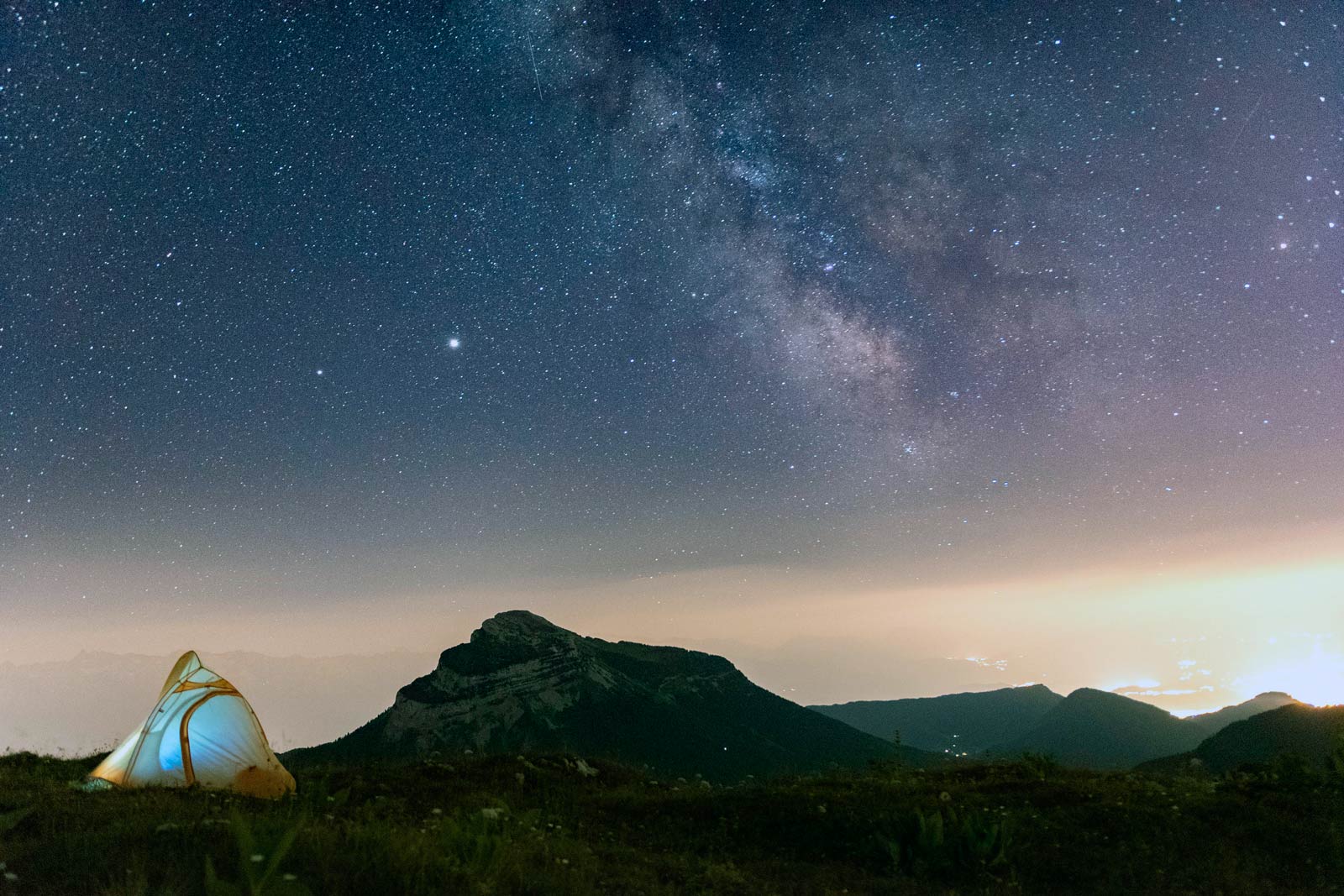
The Magic of the Night: A Beginner’s Guide to Astrophotography
Have you ever looked up on a clear night and marveled at the thousands of twinkling stars? Do you dream of capturing the breathtaking beauty of the Milky Way or a brilliant meteor shower? Good news: you don’t need expensive NASA-level equipment to get started with astrophotography. With your own camera, a sturdy tripod, and a bit of patience, you can go a long way.
In this guide, we’ll take you step-by-step into the wonderful world of astrophotography. We’ll cover the basic gear, the right camera settings, and give you practical tips to create your first cosmic masterpiece.
What Do You Need? The Essential Gear
While you can get as advanced as you want, the basic equipment for astrophotography is surprisingly accessible.
- A camera with manual settings: A DSLR or mirrorless camera is ideal. The most important feature is the ability to manually set the shutter speed, aperture, and ISO.
- A fast, wide-angle lens: A lens with a large aperture (a low f-number, such as f/1.8, f/2.8, or f/4) lets in a lot of light, which is crucial in the dark. A wide-angle lens (e.g., 14-24mm) allows you to capture a large portion of the night sky.
- A sturdy tripod: Because we work with long shutter speeds, a stable tripod is absolutely essential. The slightest movement can ruin your photo.
- A remote shutter or intervalometer: To avoid vibrations from pressing the shutter button, use a remote control or your camera’s built-in timer.
- Extra batteries: Long exposures and cold nights are tough on your battery. Always bring one or two fully charged spare batteries.
The Magic Triangle: Camera Settings for the Night
Finding the right balance between shutter speed, aperture, and ISO is the key to a successful astrophoto. Start with these settings and experiment from there.
- Go Manual (M-Mode): Set your camera to Manual mode to have full control.
- Aperture: As Wide as Possible: Set your aperture to the lowest possible f-number (e.g., f/2.8). This ensures maximum light intake.
- Shutter Speed and the ‘500 Rule’: To prevent star trails caused by the Earth’s rotation, use the 500 Rule. Divide 500 by the focal length of your lens to determine the maximum shutter speed in seconds.
Example: With a 20mm lens, the calculation is $500 / 20 = 25$ seconds. This means you can use a shutter speed of up to 25 seconds before the stars start to appear as streaks.
- ISO: The Light Sensitivity: Start with an ISO value between 1600 and 3200. A higher ISO makes your sensor more sensitive to light but also introduces more noise. Modern cameras perform increasingly well at high ISO values, so don’t be afraid to try.
- Manual Focus: Your autofocus won’t work in the dark. Switch to manual focus. Use your camera’s live view, zoom in on the brightest star you can find, and turn the focus ring until the star is as small and sharp as possible.
- Shoot in RAW: A RAW file contains much more image information than a JPEG. This gives you significantly more flexibility in post-processing to bring out details and reduce noise.
Location, Location, Location!
Perhaps the most important factor for a successful astrophoto is a dark location. Light pollution from cities and towns can make fainter stars and the Milky Way invisible. Use apps or websites like Light Pollution Map to find a dark spot near you. Choose a clear, moonless night for the best results.
The Adventure Begins
Astrophotography is more than just a technical skill; it’s an adventure. It forces you to go outside, experience the silence of the night, and witness the grandeur of the universe. Be patient, experiment with your settings, and enjoy the process. Your first photos may not be perfect, but the satisfaction of capturing light that has traveled for millions of years is unparalleled.
Good luck and clear skies!