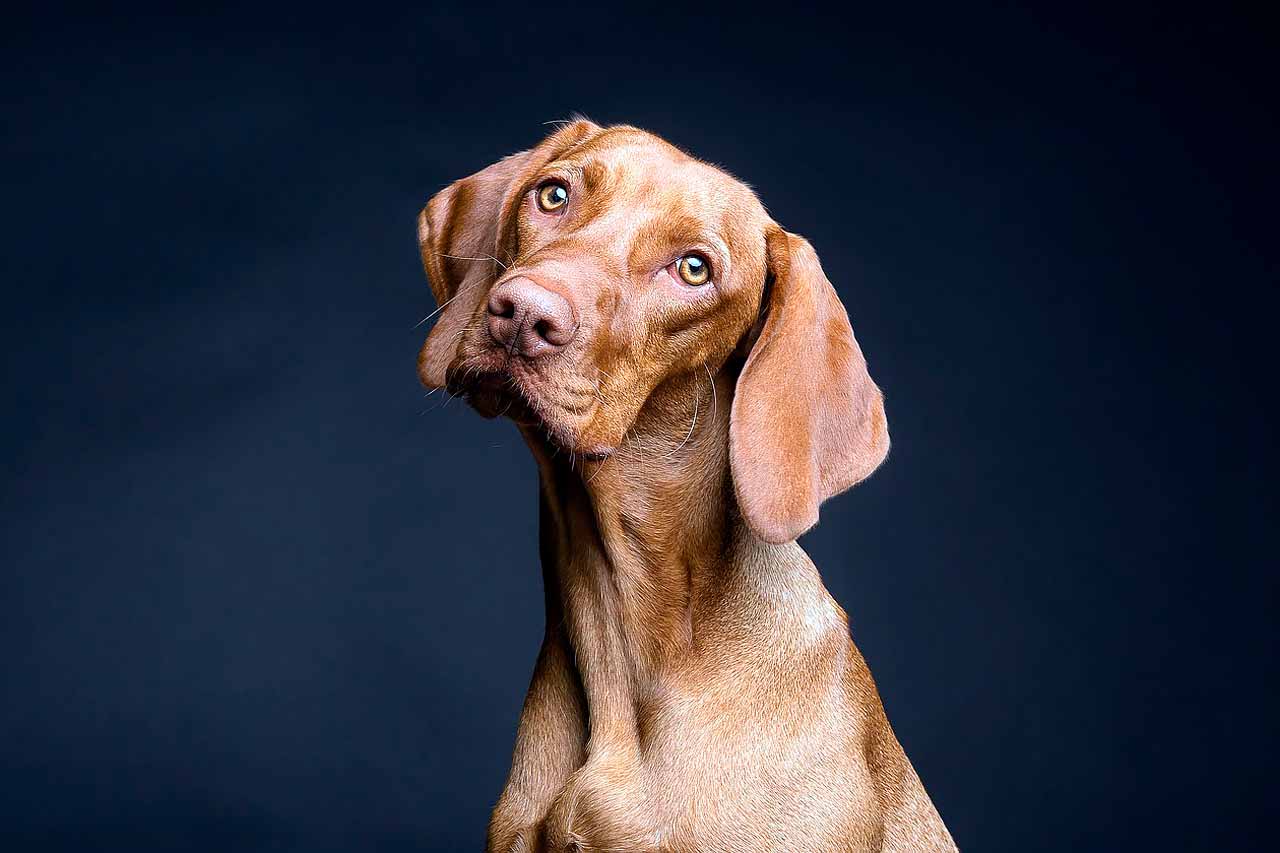
Two Hearts, One Frame: A Guide to Photographing Pets and Their People
Some of the most powerful photographs of our pets are the ones that include us. These images do more than just document what a pet looks like; they immortalize a relationship. They capture the quiet understanding, the unconditional love, and the joyful chaos that define the bond between a person and their animal companion. But photographing two different species together comes with its own unique set of challenges and opportunities.
The goal is not to create a stiff, formal portrait of two subjects sitting side-by-side. The goal is to capture the connection. This guide explores how to direct, pose, and shoot in a way that lets that special relationship shine.
1. Prompt Interaction, Don’t Force Poses
The magic happens in the moments of genuine interaction. Instead of asking both subjects to “look at the camera and smile,” give them something to do together. Prompts are your best friend here:
- “Give your dog the biggest cuddle you can.”
- “Whisper a secret into your cat’s ear.”
- “Let’s play a gentle game of tug-of-war with this rope.”
- “Just relax on the couch together like you would on a lazy Sunday afternoon.”
These actions elicit real smiles, gentle touches, and authentic moments of connection that feel much more powerful than any contrived pose.
2. Use the Human as a ‘Living Prop’
The owner’s body can be a wonderful framing device and a source of comfort for the pet. Have the owner sit on the floor to get down on the pet’s level. Ask them to create a “lap” for their cat to curl into, or to use their arms to frame their dog’s happy face. The human presence provides context, scale, and a sense of safety that often relaxes the animal, leading to better pictures of both.
3. The Gaze Tells the Story
Where your subjects look can completely change the narrative of the photograph. Experiment with different combinations to tell different stories:
- Owner looks at pet: This conveys adoration, love, and affection. It’s a classic for a reason.
- Pet looks at owner: This highlights the pet’s loyalty, trust, and focus on their favorite person.
- Both look at each other: This creates a beautiful, intimate “bubble,” inviting the viewer to witness a private moment of connection.
- Both look at the camera: This is the most traditional portrait, creating a direct connection with the viewer.
Often, the most effective technique is to direct the human’s gaze first, and the pet will naturally follow.
4. Manage Your Focus and Aperture
A key technical challenge is getting both the pet and the owner in sharp focus, especially when their faces are not on the same plane. While a very wide aperture like f/1.8 is great for single portraits, it can be too shallow here. Consider using a slightly smaller aperture, like f/4 or f/5.6, to increase your depth of field and ensure both sets of eyes are sharp. As a rule of thumb, always place your focus point on the eye that is closest to the camera.
5. Capture Their Everyday Rituals
Think about the small, everyday moments of love that define their relationship. It could be the way a dog rests its head on its owner’s knee while they read, or the morning ritual of a cat demanding breakfast. Recreating these simple, quiet moments often results in the most honest and cherished portraits. It’s in these familiar interactions that the true nature of their bond is revealed.