Your First Steps in Studio Photography: A Beginner’s Guide
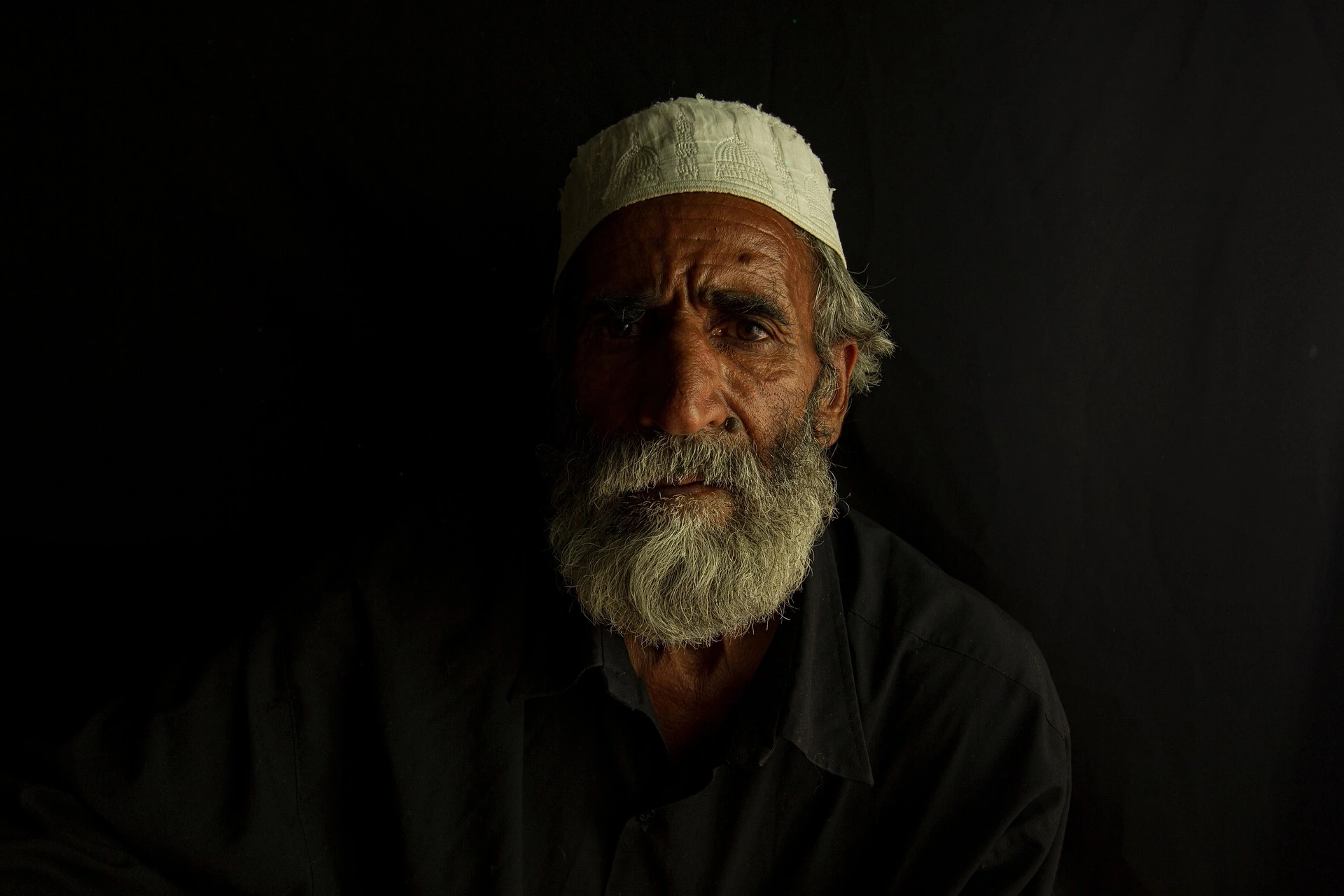
If you’ve ever admired a portrait with perfect, dramatic lighting and a clean background, you’ve seen the magic of studio photography. While shooting with natural light is wonderful, stepping into a studio environment gives you the ultimate power: complete control. You are no longer dependent on the weather or time of day. You become the creator of light.
This may sound intimidating, but getting started is easier than you think. This guide will introduce you to the essential gear, core camera settings, and a simple one-light setup to get you started on your journey.
The Essential Studio Gear
Unlike other types of photography, you’ll need a few extra pieces of equipment to control the light.
- A Key Light: This is your main light source. It can be a strobe (a powerful, dedicated flash unit) or a Speedlite (the smaller flash that can mount on your camera). Strobes are more powerful and versatile for studio work.
- A Light Modifier: A bare flash is harsh and unflattering. A modifier is used to soften and shape the light. The two most common for beginners are:
- Softbox: Creates soft, directional light similar to a window. Great for flattering portraits.
- Umbrella: Spreads light over a wide area, creating very soft, less controlled light. Easy and forgiving to use.
- A Light Stand: A sturdy stand to hold your light and modifier.
- A Wireless Trigger/Receiver: This allows your camera to “talk” to the flash and fire it when it’s not physically attached to the camera (this is called “off-camera flash”).
- A Backdrop: A simple, non-distracting background. You can start with a plain wall or purchase seamless paper rolls in white, grey, or black.
Demystifying Studio Camera Settings
Studio settings are different from shooting outdoors. The goal is to let your flash do all the work. Start by putting your camera in Manual Mode (M).
- ISO: 100 (or your camera’s base): Since you are providing your own powerful light, you don’t need a sensitive sensor. Set your ISO to its lowest native value (usually 100 or 200) for the cleanest, highest-quality image with no grain.
- Shutter Speed: 1/160s or 1/200s: Set your shutter speed to your camera’s “flash sync speed” (check your manual, but 1/200s is common). This ensures the shutter is fully open when the flash fires. A fast shutter speed also “kills” the ambient light in the room, so only the light from your flash is captured.
- Aperture: f/8 as a starting point: Your aperture controls the exposure of the flash on your subject. A smaller aperture like f/8 or f/11 will result in a sharp image with a deep depth of field. To make the image brighter or darker, you will adjust your flash power or your aperture, not your shutter speed or ISO.
Your First One-Light Setup: Loop Lighting
Don’t try to use multiple lights at once. Master one light first. A classic and flattering setup is called “Loop Lighting.”
- Place your one light (with a softbox on it) about 45 degrees to the side of your subject.
- Raise the light stand so the center of the light is just above your subject’s eye level, pointing down at them.
- Look for a small “loop” shadow from the nose that points down towards the corner of the mouth. It shouldn’t connect to the shadow on the cheek.
- Take a test shot! Is it too bright? Turn down the flash power or make your aperture smaller (e.g., go from f/8 to f/11). Too dark? Do the opposite.
Start Creating
Studio photography is a technical art, but it’s built on these simple principles. Start with one light, learn how moving it just a few inches can dramatically change the look and feel of your portrait, and practice. You will quickly discover the endless creative possibilities that come with having total control over light.