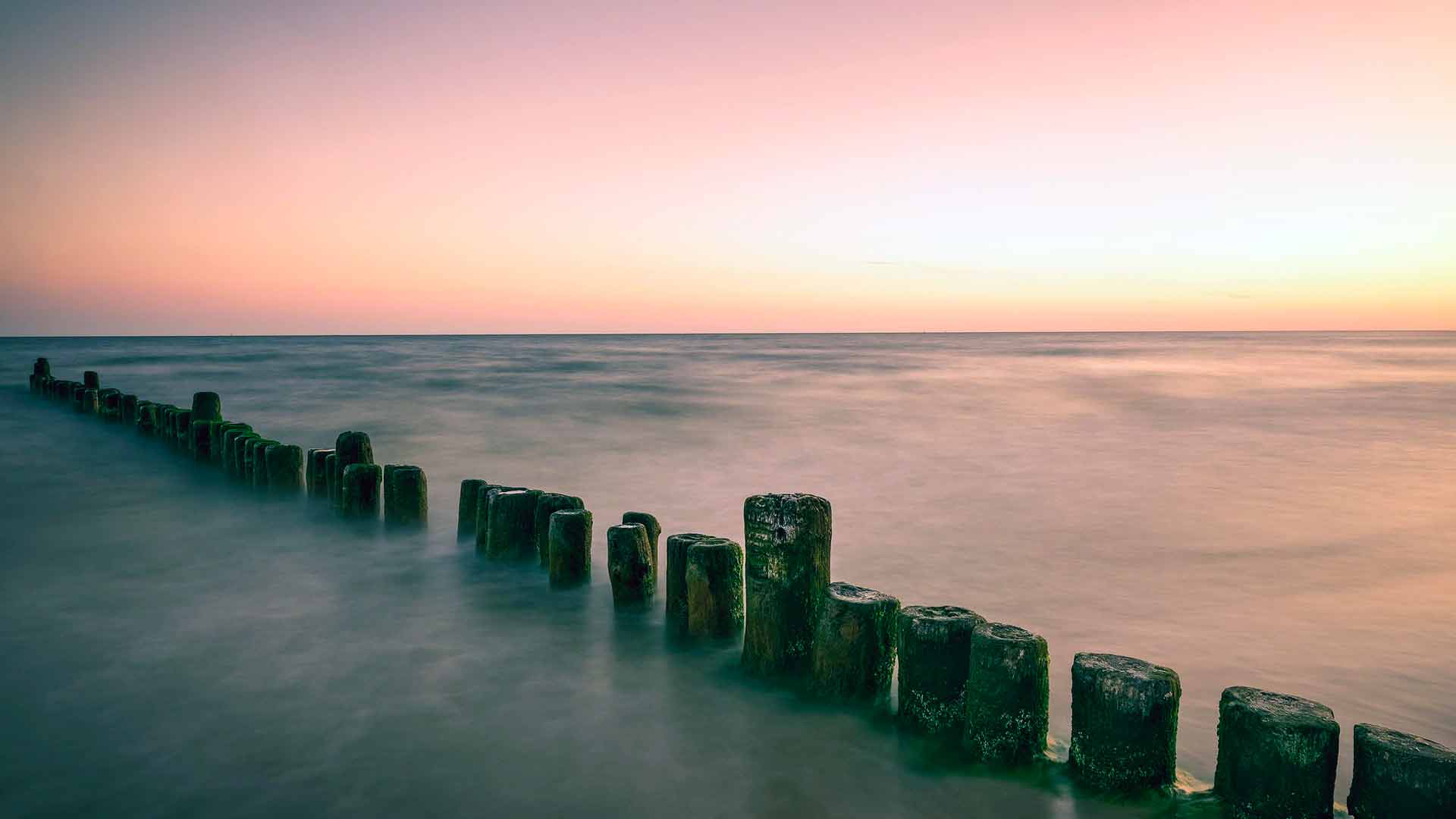
Silence at Sea
“Fine Art photography is rarely a lucky accident. It is the result of meticulous planning, solving logistical puzzles, and executing a precise technical workflow.”
Sony A7R V
Sigma 35mm f/1.4
Benro ND1000
Knokke-Heist
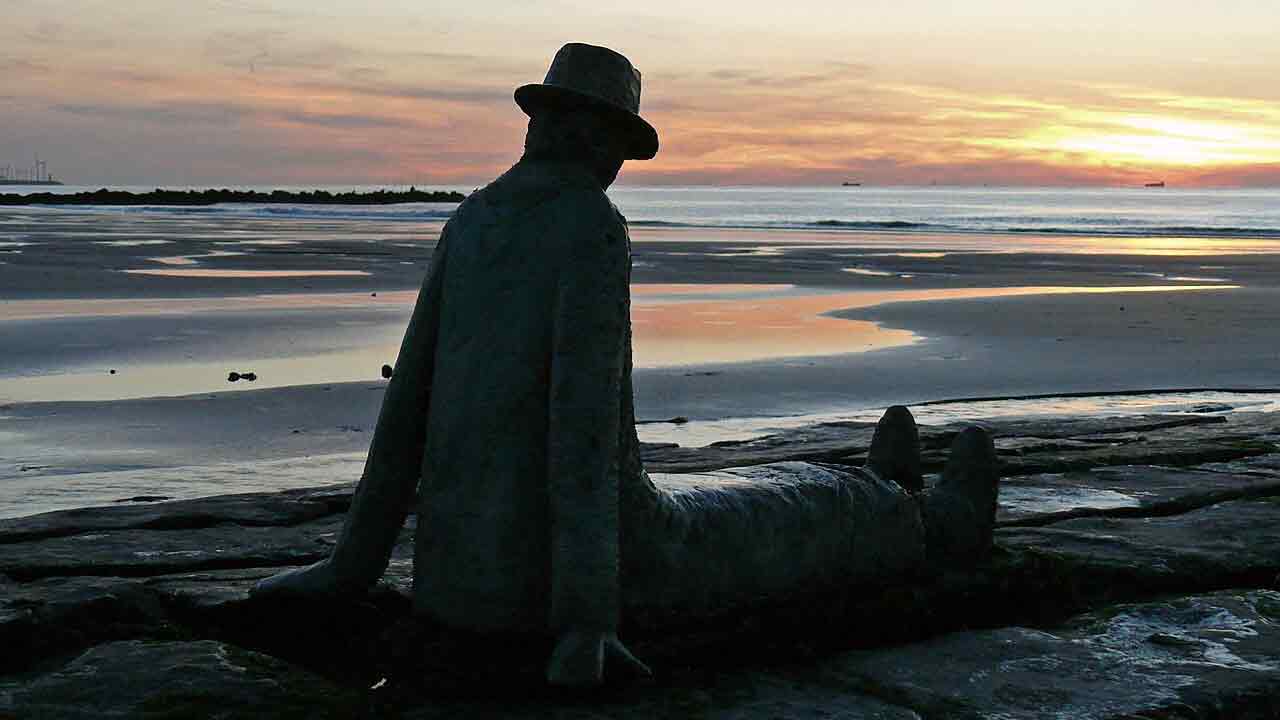
Next Sunday, the mission is clear: capturing Jean-Michel Folon’s iconic sculpture “La Mer, ce grand sculpteur”. The goal is not a snapshot. We aim to transform the turbulent North Sea into a silky, ethereal mist that isolates the bronze figure in total silence.
1. Location Intelligence
The sculpture sits on a low breakwater near Zeedijk-Het Zoute. It interacts with the ocean, which makes tide planning critical.
Carrying heavy gear (tripod, filters, waders) requires planning. We have identified two prime spots:
- Option A: Along the Kustlaan (Street parking).
- Option B: Underground parking Minigolf (Zoutelaan). Ideally situated for a quick walk to the dike.
The Tide Strategy: Neap Tide
For this shoot, we rely on a Neap Tide (Doodtij). Unlike a Spring Tide which swallows the statue, a Neap Tide keeps the water lower. This creates the perfect condition where the waves gently wash around the statue’s feet without submerging it completely.
Timing isn’t just about water; it’s about light. We use the PhotoPills App to pinpoint the exact start of the “Golden Hour” in Knokke (approx. 1 hour before sunset).
- Why? The low sun angle creates soft, warm light that compliments the bronze statue.
- The Plan: Arrive early (HW – 2 hours) to capture the transition from Golden Hour into the cooler Blue Hour tones.
2. The Gear Dilemma & Fixes
Here is the technical challenge: I am shooting with the Sigma 35mm f/1.4 Art. It is razor-sharp, but it has a small 67mm filter thread. My professional Benro filters are standard 77mm.
Buying new filters is a waste. We use a 67mm-77mm Step-Up Ring. This adapter allows us to mount the larger glass onto the smaller lens without any vignetting.
Adapters can leave a tiny 1mm gap. In a 30s exposure, this causes Light Leaks (purple flares).
Fix: Use Black Gaffer Tape to seal the gap between filter and lens.
3. Technical Workflow
Shooting a 60-megapixel Long Exposure is unforgiving. Any vibration will ruin the shot. Here is the strict configuration.
- Compose: Set up the tripod low (hip height). Use spikes for stability.
- Focus: Acquire focus, then switch to Manual Focus (MF).
- Filter: Slide in the Benro ND1000.
- Shoot: Use a remote trigger or 2-second timer.
4. Understanding the ND1000
The ND1000 “sunglasses” block 10 stops of light, forcing the shutter to stay open longer. This creates the silky water effect.
| Base Shutter (No Filter) | With ND1000 Filter |
|---|---|
| 1/1000 sec | 1 sec |
| 1/125 sec | 8 sec |
| 1/60 sec | 16 sec |
| 1/30 sec | 32 sec (Seascape Standard) |
| 1/15 sec | 1 minute |
5. FAQ: 10 Steps to Mastery
1. Why is my screen black after attaching the filter?
2. How do I calculate time?
3. Why are photos blurry on a tripod?
4. What are purple flares?
5. Strange colors in the photo?
6. Do I need Long Exposure Noise Reduction?
7. Why use a Step-Up ring?
8. What is Bulb mode?
9. Should I use f/22?
10. Why use spikes on the tripod?
The breakwater is slippery. Always probe the ground with a stick before stepping, and wear waders.
Stay tuned for the final results next week.