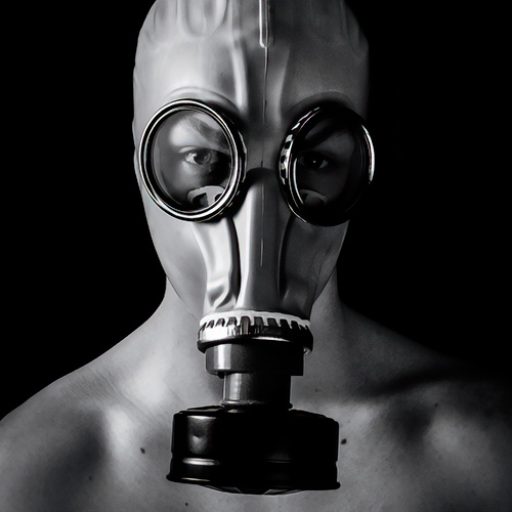
More Than a Pose: A Guide to Directing and Connecting in Portrait Photography
You can have the perfect light, the best lens, and a flawless background, but if your subject looks uncomfortable, the entire portrait falls flat. We’ve all seen it: the stiff posture, the forced smile, the “what do I do with my hands?” panic. The truth is, one of the most vital skills for a portrait photographer has nothing to do with the camera—it’s the ability to connect with and direct another human being.
The secret is to think of yourself less as a “poser” and more as a “director.” Your job is to create an environment where your subject feels comfortable enough to be themselves. This guide explores practical techniques to help you do just that.
1. Build Rapport Before You Raise the Camera
The first ten minutes of a shoot are crucial, and they should rarely involve taking pictures. Put the camera down. Talk to your subject about their day, their work, their hobbies. Play their favorite music. The goal is to break down the barrier between “photographer” and “subject” and establish a human connection. When they see you as a friendly collaborator rather than just an operator, they will naturally relax.
2. Give Actions, Not Poses
The command “Okay, now pose!” is terrifying for most people. It’s too vague and instantly makes them self-conscious. Instead, give your subject simple, actionable directions. This shifts their focus from how they look to what they are doing. Try prompts like:
- “Slowly walk towards me, looking just past the camera.”
- “Lean against this wall and look out the window.”
- “Tell me a funny story about your week.” (Then be ready to capture the genuine laugh).
- “Fix the cuff on your jacket or play with your necklace.”
These small actions produce natural, fluid movements that look far better than any stiff, static pose.
3. Master Micro-Adjustments
While you want to avoid rigid posing, small technical adjustments can make a huge difference. Guide your subject with simple, easy-to-follow directions:
- Chin Forward and Down: To define the jawline and avoid a “double chin,” ask them to push their chin slightly forward (like a turtle) and then tilt it down. It feels strange but looks amazing.
- Weight on the Back Foot: Having someone put their weight on their back leg instantly creates a more dynamic and flattering S-curve in their body.
- “If it Bends, Bend It”: Straight arms and legs look stiff. Encourage slight bends in the elbows, wrists, and knees to create a more relaxed and natural look.
- Create Space: A small gap between the arms and the body creates a more defined silhouette. Simply asking them to hold their arms slightly away from their torso can work wonders.
4. Use Positive Reinforcement and Mirroring
No one knows if they are “doing it right.” Constant, positive feedback is your most powerful tool. Use encouraging phrases like “Yes, perfect!” or “That looks incredible, hold that for a second.” If you see a great shot on the back of your camera, show them! This builds their confidence immensely.
If they’re struggling with a pose, demonstrate it yourself. This technique, called “mirroring,” is far more effective than trying to explain it with words.
5. Capture the “In-Between” Moments
Some of the best portraits are captured in the moments you’re not “supposed” to be shooting. The genuine laugh after a failed attempt at a serious pose, the thoughtful glance away while you’re adjusting your settings, the sigh of relief at the end. Keep your camera ready and anticipate these candid moments—they are often where your subject’s true personality shines brightest.